Dead and hazardous trees in Reno
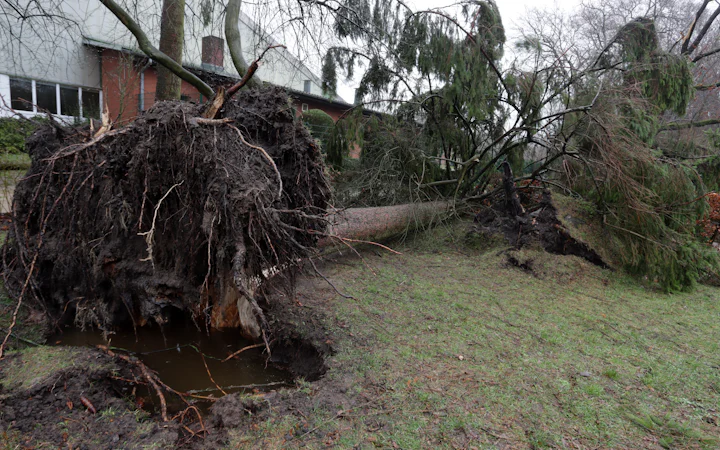
Dead trees get more brittle every year, which makes them harder and more dangerous to remove, and more likely to come down in a storm. Leaning trees, split trunks and large dead limbs are worth having assessed.
A free referral service, not a contractor. One local tree service quotes and does the work.
Get a free quote
Takes a minute. One local tree service calls you back. No obligation.
Free, no obligationYou never pay us anything.
One contractorNot a flood of sales calls.
Local to RenoSparks, Sun Valley, Spanish Springs and nearby.
Details never soldShared with one contractor only.
What goes into the quote
- Size and condition of the tree
- What it could hit if it fell
- Access and equipment needed
- Stump grinding and cleanup
How long: Usually a day or less, but book sooner rather than later.
Rough ranges for guidance, not quotes. Your contractor's quote is what counts.
Get a real quoteGood to know in Reno
Reno is high desert: dry, sunny and windy, with cold nights that freeze and thaw for much of the year.
Trees in Reno's planting strips and street right-of-way are city trees. Pruning, removing or treating one needs a Tree Work Permit from Reno Urban Forestry, which inspects first, and the work has to be done by a Certified Arborist.
A permit to remove a city tree is only issued if it's dead, diseased or a safety hazard. Trees on your own property are yours to manage.
Common questions
How do I know if a tree is dead?
No leaves in season, peeling bark, fungus at the base or brittle twigs that snap. An arborist can confirm.
Is a leaning tree dangerous?
A tree that has always leaned may be stable. A new lean, cracked soil or lifted roots are warning signs.
Is stump grinding included in removal?
Not always. Ask whether the quote includes grinding and hauling away the wood.
Ready for a quote?
Tell us about the job and one local tree service will call you back. Free, and no obligation.
Get my free quote